

3/2/2019
Autonomy, Temper Tantrums, and Anxiety in Child Development
Core Concepts in Child Development
This article explores the processes of autonomy, temper tantrums, and anxiety during childhood, enriched with practical insights from professional pedagogical perspectives.
1. Introduction
Autonomy
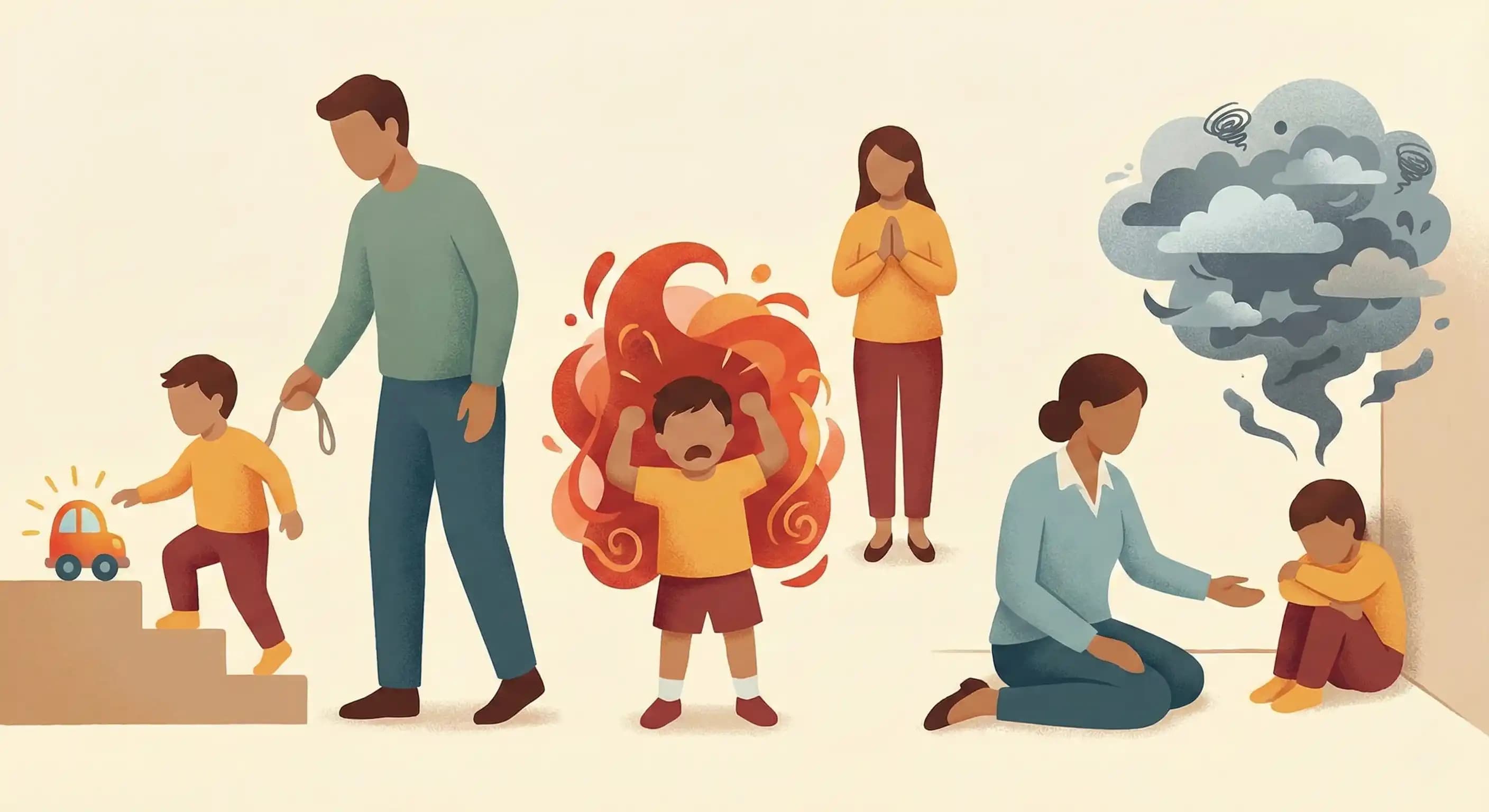
Autonomy is an individual's freedom and ability to select their own actions. Between 18 months and 3 years of age, infants begin to gain autonomous movements.
- Crucial Balance: While the attachment between the primary caregiver(in most cases, mother) and infant is vital, the infant also needs autonomy to develop self-confidence.
- Erikson’s Stages: In Erikson’s Psychosocial Development, the delicate balance is explained with "Autonomy versus Shame and Doubt" (Mcleod, 2008). It lays bare that protecting an infant/a child doesn’t mean limiting their journey of becoming an independent individual. Simply because autonomy does not only mean to explore surroundings for a child, but also to gradually build an authentic self using basic cognitive functions.
Therefore: Children should be given the needed freedom to discover and choose themselves (within their abilities and with precautions taken if necessary). For instance, walking through falling and getting up on their own in a safe environment, deciding what to wear, picking a favorite item among all examples, etc. Simply put, infants and children are emotionally and physically dependent on a caregiver, whereas they require a free area that will allow them to make decisions, bear consequences, and do better next time. Otherwise, it may lead to chronic hesitation, a constant need for approval, or a sense of inadequacy in their future.
Temper Tantrums
A temper tantrum is the externalization of emotional problems through excessive crying, screaming, shouting, or hitting. Some episodes of demonstration are a normal part of development, but frequent tantrums are considered abnormal between the ages of 2 and 6. (Novotney, 2012).
Key Factors:
- Seeking Attention: A tantrum can also mean that the child is looking for attention from parents. (Pendley, 2012)
- Language Barrier: As children acquire language, tantrums may increase because their ability to communicate is not yet adequate to explain complex feelings.
- Frustration: The gap between understanding and expression leads to disappointment.
Anxiety
Anxiety is an emotional state involving fears and worries, accompanied by physical symptoms like increased blood pressure, sweating, and a faster heartbeat.(APA, 2018)
- Triggers: Anniversaries of traumatic events or recalling distressful memories can cause spikes in anxiety.(Pendley, 2012)
- Anxiety Disorder: It is classified as a disorder if it is repetitive, intense, results in phobias/obsessions, or interferes with daily routines.
- Approach: Since children often cannot or do not express these feelings verbally, the underlying reasons must be researched thoroughly to prevent future psychological complications.
2. Interview: Expert Perspective
Common insights shared by psychologists of preschools in İstanbul,Türkiye based on our interviews:
On Autonomy
Many parents exhibit overprotective and intrusive behaviors, such as trying to anticipate needs before the child explains them.
- The Problem: Constant interference prevents children from developing self-protection mechanisms and leads to feelings of inadequacy.
- The Solution: Parents must find the balance between being protective and allowing a "freedom area." Taking small risks, like carrying a plate or pouring water, is essential for growth.
On Temper Tantrums
Tantrums often result from a mixture of overwhelming emotions.
- Soothing: If the child is not resisting, physical touch (like embracing them) is the best way to soothe them.
- Adaptation: During preschool orientation, children should not be forced. A trusted adult should accompany them during the first week to help them orient themselves willingly.
On Anxiety and Emotional Balance
Children express apprehension through unique gestures—some become hyperactive, while others isolate themselves.
- Professional Ethics: These issues must be shared with families early on. Neglecting developmental problems before age 6 is a significant mistake.
- Academic vs. Emotional: Our system often prioritizes academic success over psychological needs.
- The Reality: You can teach a 4-year-old to read like a 7-year-old, but you cannot fast-track their emotional development. These two must progress in balance.
References
- APA, (2018) Anxiety APA Dictionary of Psychology
- Mcleod S. (2008) Erik Erikson’s Stages of Psychosocial Development. Simply Psychology
- Novotney A. (2012) Daily Temper Tantrums Aren’t Normal For Preschoolers. APA
- Pendley, J. S. (2012) Temper Tantrums. KidsHealth